Susan Margaret St Maur, Duchess of Somerset
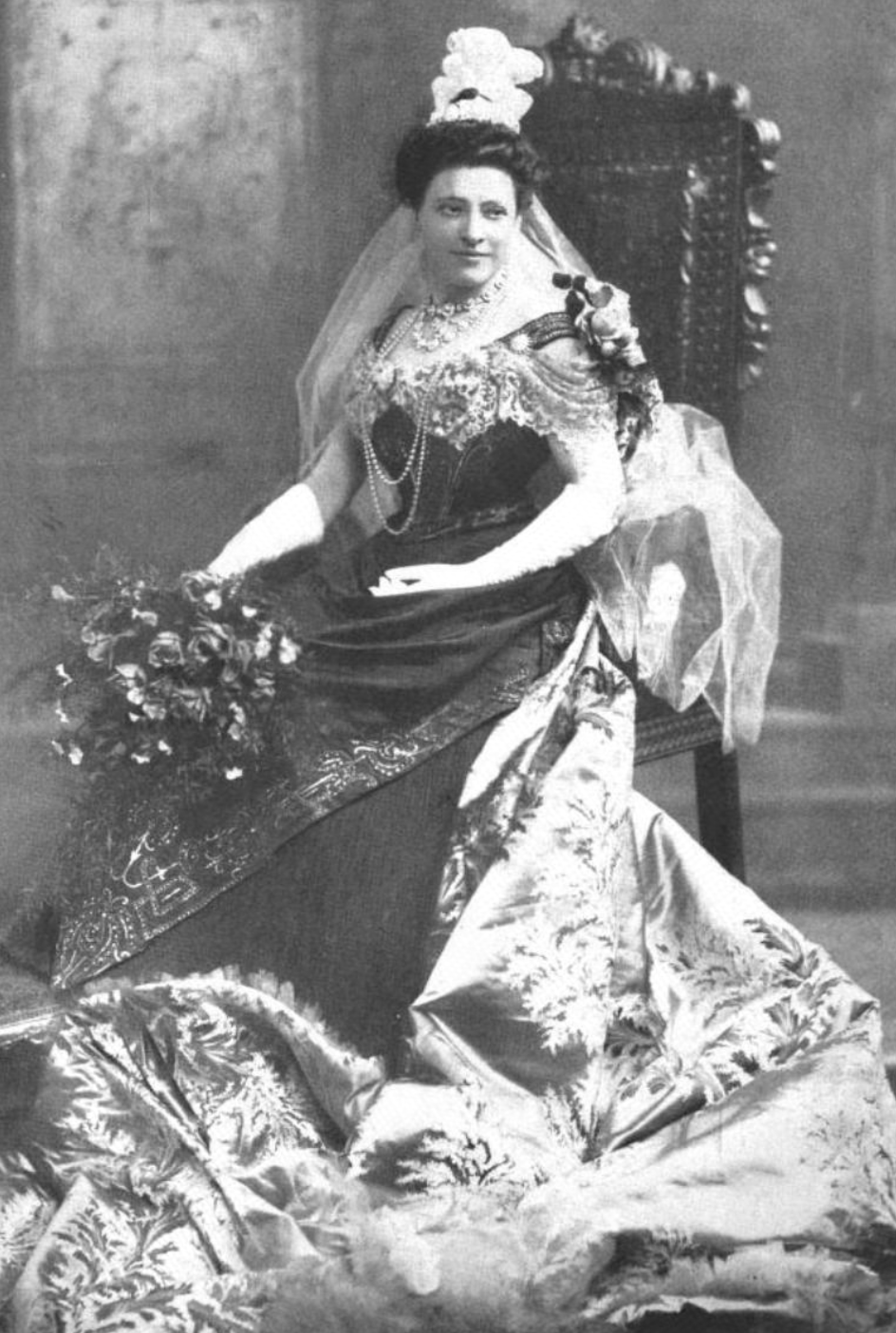 Vice President for the North Eastern Hosptial for Children
Susan Margaret St Maur, Duchess of Somerset (née Susan Richards Mackinnon; 11 January 1853 – 30 January 1936) was a Scottish-born aristocrat who became a notable writer, traveller, and philanthropist in late Victorian and Edwardian Britain. Known socially as Mrs Algernon St Maur during her married life, she combined aristocratic status with active literary and charitable work, leaving a distinct mark on both travel writing and social welfare.
Early Life and Background
Susan Mackinnon was born into a large Scottish family as the ninth of ten daughters of Charles Mackinnon of Corriechatachan and Henrietta Studd. Growing up in a well-connected but not aristocratic household, she would later enter the British peerage through marriage.
Her upbringing in Scotland, combined with exposure to a large, intellectually active family, likely contributed to her later independence, curiosity, and literary pursuits.
Marriage and Entry into the Aristocracy
In 1877, she married Algernon St Maur at Forres. Upon her husband’s succession as the 15th Duke of Somerset, she became Duchess of Somerset.
The couple had no children, meaning the dukedom would pass outside their direct line.
From 1898, they maintained a prominent London residence at 35 Grosvenor Square in Mayfair, reflecting their status among the British elite. After the Duke’s death in 1923, Susan remained financially secure, receiving a life annuity of £4,000 and continuing to live in Grosvenor Square until shortly before her death.
Literary Career and Travel Writing
Susan St Maur distinguished herself as a travel writer, publishing under the name Mrs Algernon St Maur.
Her most notable work was 'Impressions of a Tenderfoot during a Journey in Search of Sport in the Far West (1890)'.
This book recounts a multi-month journey across Canada, undertaken with her husband. It provides vivid descriptions of Canadian landscapes and frontier life, observations on culture, travel conditions, and Canadian society. The work was widely read and popular, offering British audiences an accessible and engaging account of North America at a time of expanding imperial and cultural interest.
Philanthropy and Public Service
From the early 20th century onward, Susan devoted much of her energy to charitable work, becoming a significant figure in philanthropic circles.
Key Contributions
- Invalid Kitchens charity (from 1905): She became one of its leading organisers, helping provide nutritious food to the sick poor in London.
- Support for Barnardo's: A major children’s charity closely associated with her husband, who served as its president.
- Vice President for the North Eastern Hosptial for Children: In at least 1905. Frequently found associated with the hospital from 1902 to 1907; and then records found from 1911 and 1926 relating to her being part of the Ladies Association who were still raising funds for the then named Queen's Hospital for Children.
She was involved in many other humanitarian causes, particularly those connected to medical aid and social welfare.
Honours and Recognition
Her extensive charitable work earned her numerous international honours, including:
- Dame Grand Cross of the Order of St John
- Decorations from Belgium, France, Italy, Serbia, and Spain
- Recognition from nursing and Red Cross organisations
Later Life
After decades in Grosvenor Square, she moved to another residence nearby in her final years. She died on 30 January 1936 at age 83 in Mayfair.
She was buried beside her husband at a secluded site near Bradley House, Maiden Bradley, Wiltshire. Their graves are notable for their simplicity.
Susan St Maur is remembered as a figure of energy, independence, and public commitment. She was a curious traveller who documented the wider world for British readers. She was a philanthropist deeply engaged in practical charitable work and used her position as duchess to support meaningful causes.
Though not among the most widely remembered aristocratic figures, her life reflects a broader shift in the role of women in the late 19th and early 20th centuries from purely social figures to active contributors in literature and social reform.